
ENSAI Engineering programme
Cycle Pluridisciplinaire d'Études Supérieures
CPES Paris-Saclay
Data Science, Society and Health
48 students per cohort 5 institutions 3 years
A multidisciplinary and interdisciplinary 3-year degree built in partnership between ENS Paris-Saclay, HEC Paris, Institut Polytechnique de Paris, the Lycée International de Palaiseau Paris-Saclay and Université Paris-Saclay. The Cycle Pluridisciplinaire d'Études Supérieures (CPES) trains students with interdisciplinary profiles mastering data science and AI (mathematics, computer science) and able to interpret data in the field of health or society depending on their chosen track.
Where our graduates goTwo specialization tracks from year one
The Cycle Pluridisciplinaire d'Études Supérieures of Paris-Saclay aims to provide students with solid proficiency in data science and artificial intelligence, grounded in mathematics and computer science, together with the ability to interpret data in two fields of their choice.
Health
Application of data science in the field of health: genomics, epidemiology, bioinformatics and ethical implications of biomedical data.
Society
Application of data science in economics and sociology: social stratification, public policy and the humanities.
A progressive 3-year structure
Year 1 (L1)
80% / 20%
LIPPS / Partners
Fundamentals and working methods. Introduction to partner institutions.
Year 1 programme Year 2 (L2)
50% / 50%
LIPPS / Partners
Start of specialization, research projects and progressive immersion.
Year 2 programme Year 3 (L3)
20% / 80%
LIPPS / Partners
Autonomy, final Capstone project and preparation for Master's programmes.
Year 3 programmeAfter three years: an institutional degree jointly awarded by Université Paris-Saclay, Institut Polytechnique de Paris and HEC Paris, conferring bachelor's degree status. Order of 6 August 2026 (formerly Decree no. 2023-937).
Our alumni
The first cohort (CPES26) went on to universities, engineering and business grandes écoles and selective master's programmes, in France and abroad.
Five institutions delivering teaching



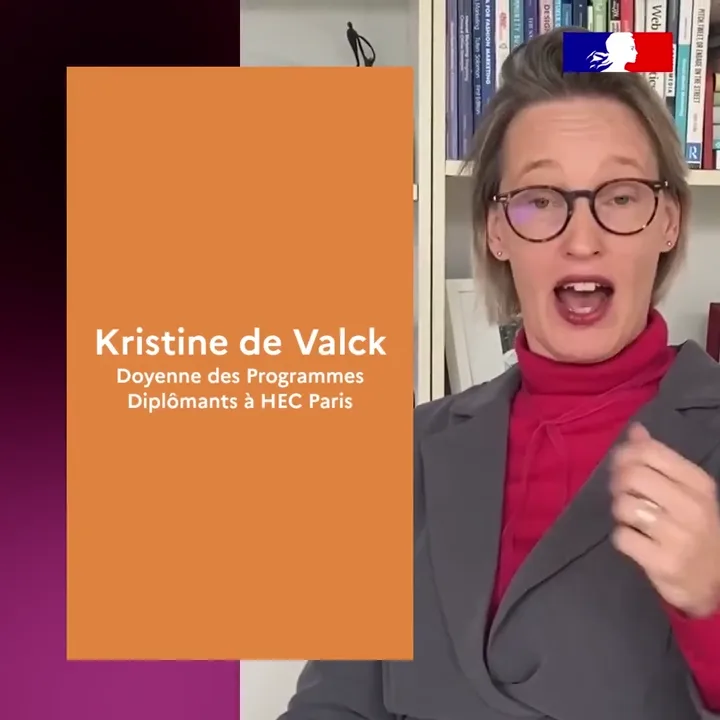
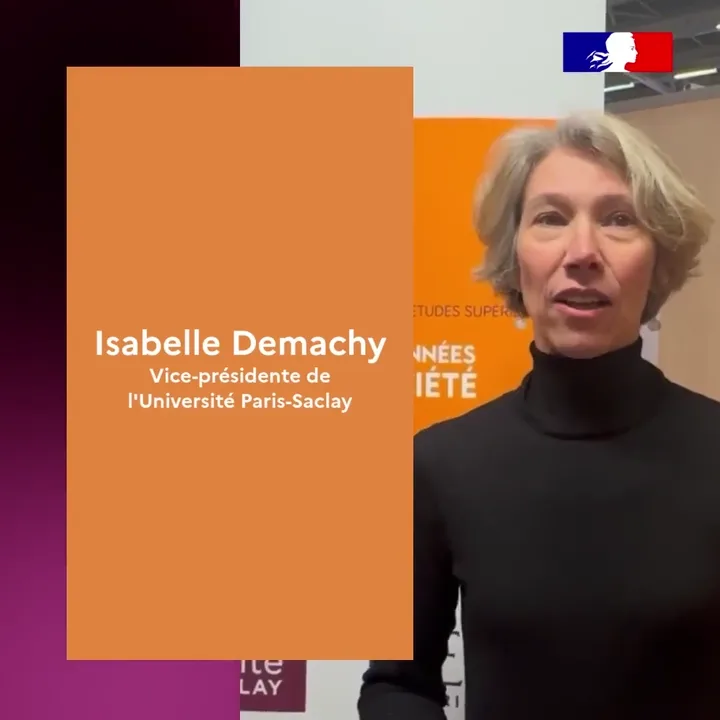
The CPES in our partners' words
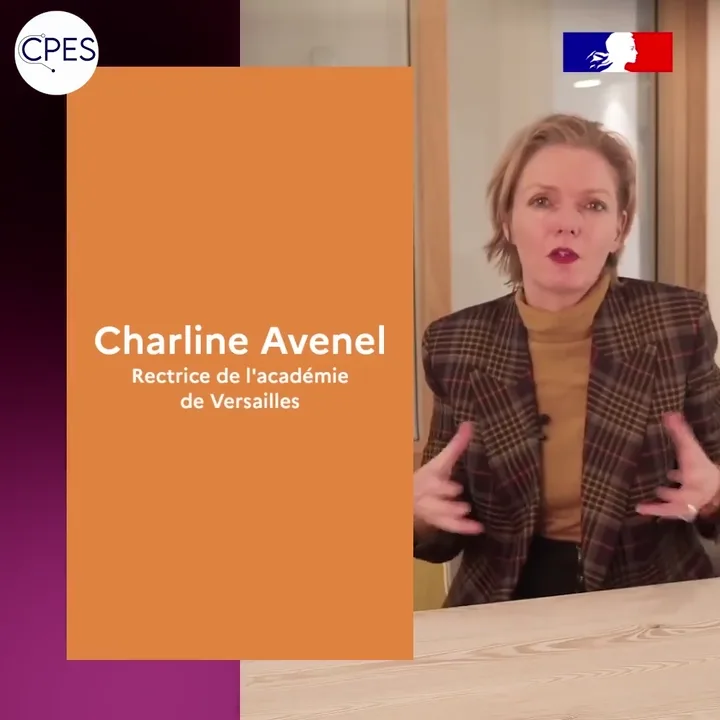
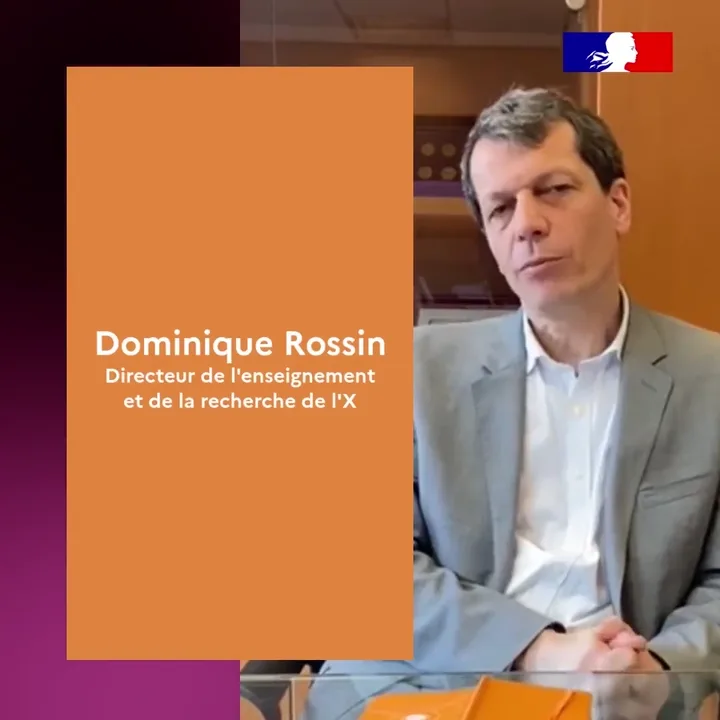
The rector of the Académie de Versailles and the heads of the partner institutions introduce the Cycle Pluridisciplinaire d'Études Supérieures: its scientific ambition, its selectivity and its social openness.
A unique programme
The Cycle Pluridisciplinaire d'Études Supérieures (CPES) Paris-Saclay brings together five excellence institutions around a single programme, structured by two tracks and an introduction to research from the very first year.
Five institutions
Excellence institutions, complementary in their expertise and training environments.
Two tracks
Health or Society: each student builds their interdisciplinary profile from the first year.
Ambitious career prospects
Master's programmes, grandes écoles, doctorates: graduates go on to the best post-bachelor pathways.
Introduction to research
From year 1: laboratory visits, conferences and supervised projects. A large part of the teaching staff is made up of researchers or former researchers.
Campus & boarding school
LIPPS boarding school
Approximately 90 places reserved for CPES students, open at weekends.
Social diversity
The CPES targets 40% scholarship recipients. Personalised support for all profiles.
Scholarship informationParis-Saclay campus
Libraries, sports facilities and events from the grandes écoles on the plateau.
Gender parity
The CPES targets a cohort that is 50% women, contributing to gender parity in elite scientific programmes.
In the words of our graduates
CPES Paris-Saclay graduates, in their own words: what the Cycle Pluridisciplinaire d’Études Supérieures gave them and where it took them.
Everything you need to know
Programme Detailed programme by year, by discipline or by partner Admissions Application procedures, selection criteria and Parcoursup timeline FAQ Answers to the most frequently asked questions about the Cycle Pluridisciplinaire d'Études Supérieures Career opportunities Master's programmes, grandes écoles and prospects after the bachelor's Documents Administrative resources, press releases... Our students Profiles, pathways and testimonials from CPES students Our alumni Where the first cohort went and their further studies Scholarship holders Grants, financial aid and social support Conferences Talks by researchers and professionals